If you’ve got a kid heading into middle school, you’ve probably seen “meningococcal vaccine” on the list of shots the pediatrician wants to talk about. It’s not one most parents grew up hearing much about, so let’s go over what it actually does and when it fits into your kid’s schedule.
What This Vaccine Actually Protects Against
Meningococcal disease is caused by bacteria that can trigger meningitis, an infection of the lining around the brain and spinal cord, or a serious bloodstream infection. It’s rare, but it moves fast and can turn dangerous within hours. That’s the reason this vaccine exists at all, even though most parents will never personally know a family who’s dealt with it.
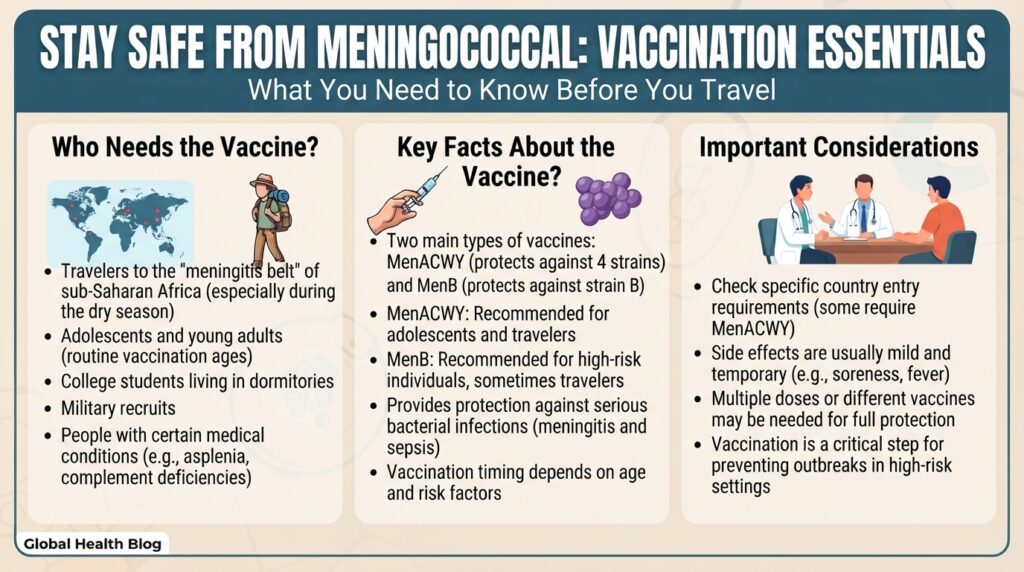
There are actually two types of meningococcal vaccines. MenACWY covers four different strains of the bacteria and is the one nearly every preteen gets. MenB covers a different strain and is handled a bit differently, more on that below. If you want the bigger picture on why vaccines are grouped and timed the way they are, how vaccines work is worth a read too.
When Kids Get It, and When They Get a Booster
This isn’t a baby vaccine. The CDC recommends the first MenACWY dose at 11 or 12 years old, right around the same checkup where other preteen vaccines come up. Then there’s a booster at 16, which matters because protection from that first dose fades over time, right when teens are becoming more independent, moving into dorms, and generally in situations where close contact spreads germs easily. If a teen gets their first dose later, at 16 or after, they usually don’t need the booster at all.
MenB is its own separate decision. It’s not routinely recommended for every teen the way MenACWY is, but the CDC says teens and their parents can choose to get it, ideally somewhere between 16 and 18. It’s required for some teens with specific health conditions, and it sometimes becomes important during a local outbreak on a college campus. Some colleges require proof of a recent MenACWY dose for incoming students, so it’s worth checking your kid’s school’s requirements before move in day. Your pediatrician can walk through whether MenB makes sense for your family specifically, since it really does come down to individual circumstances.
What Side Effects Look Like
Most kids handle this vaccine just fine. The most common reactions are a sore arm, some redness where the shot went in, maybe a headache or feeling tired for a day or two. Some kids get a mild fever. MenB tends to cause a few more of these reactions than MenACWY does, and they can last a bit longer, several days rather than one or two, but they’re still generally mild and go away on their own. Serious reactions are very rare.
It’s a similar deal to how the flu vaccine works, some short term discomfort in exchange for real protection against something much worse.
If you’re weighing timing, or wondering whether MenB fits your teen’s situation, that conversation belongs with your pediatrician. They know your kid’s health history and can help you sort out what actually applies to your family. For the full rundown straight from the source, the CDC’s meningococcal vaccine recommendations for preteens and teens lay out the current schedule in detail.