Second Trimester, Week by Week
Pregnancy runs 40 weeks, split into three trimesters, and full term means making it to at least 37 weeks. A baby born earlier than that is considered premature, and premature babies can face real challenges with breathing, digestion, and growth. Pregnancy is counted from the first day of your last period rather than conception, which is why your baby is already considered about two weeks old by the time fertilization actually happens. Our Your Pregnancy, Month by Month guide covers this same stretch broken into monthly chunks if that’s easier to follow.
Fetal Development
Your baby is now 3 to 4 inches long and weighs just over an ounce. Bones are starting to harden, especially in the skull and the long bones of the arms and legs, and muscles are lengthening and getting more organized. Some people start feeling the first faint flutters of movement around now, though for a lot of first pregnancies that’s still a few weeks off. Curious what your doctor checks at this stage? Our second trimester testing guide covers it.
Taste buds are forming, and the skin, still thin as parchment, is growing a coat of ultra fine, downy hair called lanugo that mostly disappears before birth. Nutrition matters just as much now as it did earlier, our nutrition guide is worth another look if it’s been a while.
Your baby is around 4 ounces now and roughly 4 and three quarters inches long, and movements are getting more coordinated, small kicks, grasping motions, even the occasional somersault, even if you can’t feel most of it yet.
The circulatory system and urinary tract are both up and running. The lungs are practicing too, moving amniotic fluid in and out, which is how they train for that first real breath after birth.
Your baby is about 5 and a half inches long and weighs around 7 ounces. Ears are starting to stand out from the head, and hearing is coming online, so sounds from outside are starting to register. If your baby cooperates with positioning, an ultrasound around now can often reveal the sex. A protective coating called vernix is starting to form on the skin, and your baby has begun urinating into the amniotic fluid, which is completely normal.
You’ve hit the halfway point. This is often when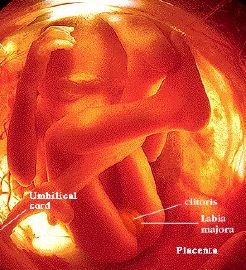 “quickening,” the first movements you can actually feel, gets noticed for the first time. Nerve cells for each of the senses, taste, smell, hearing, sight, and touch, are developing into their own specialized areas of the brain, making this a big week for sensory wiring even though your baby is still small and fragile.
Your baby is steadily adding a bit of fat to help with temperature regulation, and the sucking reflex is developing, useful practice for feeding after birth.
Your baby is about 7 and a half inches long and close to a pound. Eyebrows and fine hair are becoming visible, and fingernails now cover the fingertips. Conversations at a normal volume are loud enough to reach your baby in the uterus, so talking, reading, or singing out loud isn’t wasted on an audience that can’t hear you, they likely can.
Your baby is close to a pound and about 8 inches long, proportioned more like a newborn now, just a thinner version since body fat hasn’t filled in yet. Fingerprints and footprints have fully formed, and the lungs are starting to produce surfactant, a substance that helps tiny air sacs stay open. This is roughly the edge of viability, meaning a baby born from this point on has a real chance of survival with intensive neonatal care, though every week further along improves those odds significantly.
Fine hair and a waxy protective coating called vernix cover your baby’s skin, some of which may still be present at birth and gets absorbed quickly afterward. Your baby is practicing breathing by moving amniotic fluid through developing lungs.
Your baby weighs over a pound and a quarter now, reasonably well proportioned even though body fat and skin are both still thin. The brain is growing fast, and your baby is starting to take up noticeably more room in your uterus, and may respond to familiar sounds like your voice.
Breathing movements continue even though there’s no air in the lungs yet to actually breathe. A fetal brain scan at this stage would show a clear response to touch.
Your baby weighs just over 2 pounds and is about 11 inches long. Eyes that have been fused shut since around week 10 start to open around now, marking the close of the second trimester.
What tests will my doctor run during the second trimester? →
The second trimester is when a lot of people finally start feeling like themselves again, more energy, less nausea, and the first real sense that there’s an actual baby in there. Our Third Trimester guide picks up from here, and our nutrition guide is worth revisiting again since your needs keep shifting as your baby grows.