By Dr. Kalman Heller, Child and Family Psychologist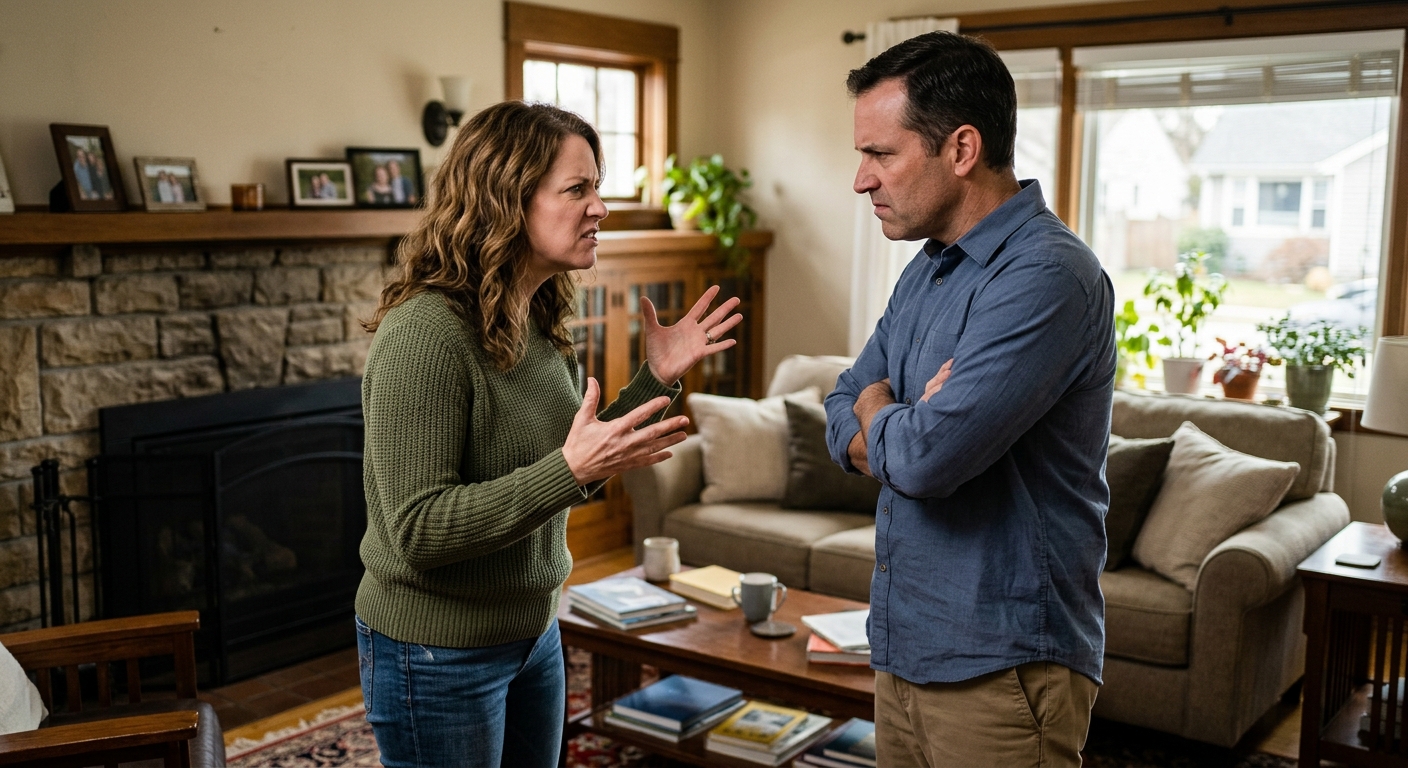
“She makes a different dinner for each kid.”
“He walks into the house and starts criticizing the children.”
“She threatens a punishment and then forgets about it.”
“He gets too angry, the children are afraid of him.”
“She lets them get away with too much.”
“He punishes them too much.”
“She doesn’t support me, and the kids know it.”
“His father was never around, he doesn’t know what to do.”
When Natural Differences Go Bad
These are among the most common statements parents make in my office. They reflect natural differences that have gone bad. Parents are rarely identical in how they deal with their kids to begin with. Personality and gender differences can drive very different parenting patterns, though the gender roles described above could just as easily run in the other direction. The core tension is usually the same, being too easy on the kids versus being too hard on them. The real problem isn’t that the differences exist as in parents disagree on discipline styles. It’s what happens when those differences get polarized, with each parent reacting to the other by leaning even harder into their own style. Neither parent ends up being the kind of parent they actually want to be, and it becomes a real source of marital conflict. Wives lose respect for, and grow angry at, husbands who come across as mean to their kids. Husbands lose respect for, and grow angry at, wives who seem unwilling to back up their role as a parent.
Convergence vs Divergence
In a healthy marriage, parents actually talk about parenting. They try to understand and support each other’s differences, and as the relationship deepens over the years, something interesting happens, they start converging. They grow more alike, picking up shared interests and shared ways of doing things, which makes for a less conflicted, more accommodating relationship. They work through issues instead of letting them fester, and they hold onto, or even grow, their wish to please each other. But when intimacy has been fading and communication has thinned out, the opposite happens. The couple diverges instead. Their differences get exaggerated, and they grow more rigid instead of more flexible, especially in how they parent.
The Polarization Spiral
Here’s how it typically plays out. The mother starts seeing her husband as too critical and too harsh, so, consciously or not, she becomes more forgiving, less critical, and does more for and with the kids to soften what she sees as the pain their father is causing. She may start giving in more on food, screen time, bedtime, and requested purchases. The father reads this “softness” as harmful, as failing to prepare the kids for a tough world, and as turning them against him, making him the bad guy. In response, he feels he needs to double down on being tough to toughen them up. She responds by becoming even less punitive. He responds by pushing further the other way. Round and round it goes. That’s the polarization process, each parent getting pushed toward a more extreme position in reaction to the other.
How This Affects the Kids
Kids suffer through this in two distinct ways. First, they pick up on the lack of coordination between their parents and start playing one off the other to get away with more. The more successful they are at it, the more their anxiety actually rises, because on some level they correctly sense their parents aren’t sufficiently in charge of the family, and that’s genuinely frightening to a child. Their behavior gets worse, which puts even more strain on an already shaky parenting system. Second, the kids absorb the growing conflict between their parents directly. That’s frightening too. Kids who witness angry confrontations between parents often jump straight to thoughts of divorce. Different kids respond differently depending on their personality, ranging from guilt (“I’m causing this”) and trying to fix it by becoming the “perfect child,” to sadness and withdrawal, to acting out more, which shows up especially often in boys and in teens of either sex.
How to Fix It
If you can catch this before it hardens into broader marital discord, it really isn’t that hard to turn around. First, each parent needs to own their own exaggerated behavior. Second, each parent needs to genuinely acknowledge that the other’s behavior comes from the same place, wanting their kids to grow into happy, successful adults. In other words, they both love their children a great deal, even if their behavior doesn’t always show it. From there, both parents need to start moving toward each other in how they handle the kids. Dad needs to become less task-oriented and less critical, and focus more on building a positive relationship with his children, since that’s the real foundation for their long-term success. Mom needs to work on follow-through and consistency around rules and discipline, becoming a bit more task-oriented and a little less focused purely on the kids’ feelings in the moment. The AAP’s own guidance on effective discipline makes a similar point, consistency matters as much as the rules themselves. She also needs to recognize that learning to cope with disappointment, rather than being shielded from it entirely, is one of the real building blocks of self-esteem and the kind of resilience kids need later in life.
As mom and dad get more aligned as parents, the marriage itself tends to improve. Sometimes I think this, more than almost anything else, is the single most important thing two parents can do for their children.