KidsDirect

HPV

HPV Vaccine

By KidsDirect Editorial Team

The HPV vaccine tends to catch parents off guard the first time a pediatrician brings it up, mostly because of the timing. Starting it around age 11 or 12 feels early for something tied to a sexually transmitted virus. The logic is actually pretty simple once you see it. This vaccine works best when it’s given well before any exposure happens. It also builds the strongest immune response at that age.

What Is HPV?

Human papillomavirus is extremely common. Most sexually active adults will come into contact with some form of it at some point. Most infections clear up on their own without ever causing a problem. Some strains don’t clear up so easily though. Those are linked to cervical cancer, several other cancers affecting both women and men, and genital warts.

HPV usually spreads without any obvious symptoms, so there’s no reliable way to know who’s carrying it. The vaccine sidesteps that uncertainty by building protection before it’s ever needed.

The Vaccine Schedule

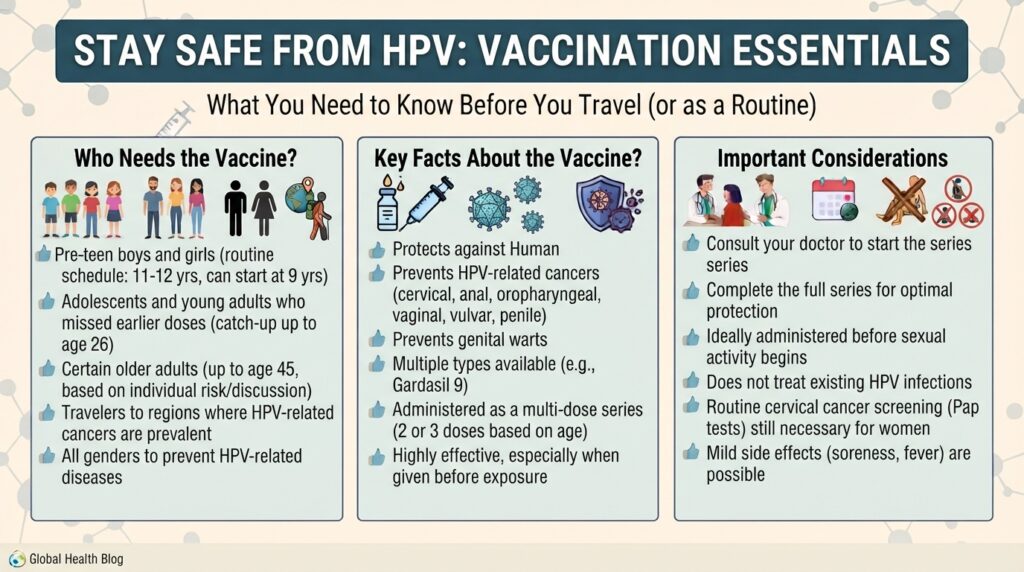
Vaccination can start as early as age 9, though most pediatricians bring it up around 11 or 12. Kids who start the series before age 15 only need two doses, spaced 6 to 12 months apart. Starting at 15 or older bumps that up to three doses on a longer schedule.

Anyone who missed the window earlier can still catch up through age 26. In some cases, adults up to age 45 can get it too, after a conversation with a doctor about whether it’s still worth it.

Possible Side Effects

The most common reaction is soreness, redness, or swelling where the shot was given. Some kids feel a little dizzy or lightheaded right after. That’s common enough with preteen vaccines in general that most clinics have kids sit for a few minutes afterward as a precaution. Fever, headache, and fatigue can also show up, but they usually pass within a day.

The payoff shows up decades later, in cancers that never happen. For where this fits into the rest of the schedule, see our full vaccine timeline. Our guide to the two main types of vaccines covers how vaccines like this one get built.

Related Posts

Hospital Bag Checklist for Labor, Delivery and Going Home
Babies
KidsDirect Editorial Team

Labor Checklist

https://youtu.be/TylF0ueGCTM?si=0BIEBA-hlu267YeY By KidsDirect Editorial Team Hospital Bag Checklist for Labor, Delivery and Going Home Somewhere around the third trimester, most moms start eyeing that empty hospital bag in the corner. They wonder what actually needs to go in it. The honest answer is less than you’d think. You don’t need everything the baby superstore is selling you. You need a

Read More »
Flu Shots - Pros and Cons
Children
KidsDirect Editorial Team

Flu Shots – Pros and Cons

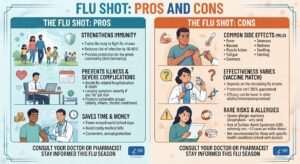
By KidsDirect Editorial Team Every fall, someone posts some version of “flu season always shows up right on schedule, almost like the virus checked a calendar first.” It’s a decent bit. It’s also not actually a mystery. Cold weather pushes everyone indoors for months. They end up breathing the same recycled air, and flu viruses happen to survive longer in

Read More »
Rotavirus Vaccine
Vaccines
KidsDirect Editorial Team

Rotavirus

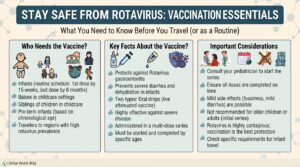
By KidsDirect Editorial Team Almost every kid gets a stomach bug at some point, but rotavirus is a different animal in infants. It can cause days of watery diarrhea and vomiting severe enough to land a baby in the hospital with dehydration. Before the vaccine existed, that was a routine story in pediatric emergency rooms every winter. What Is Rotavirus?

Read More »
Polio Vaccine
Vaccines
KidsDirect Editorial Team

Polio

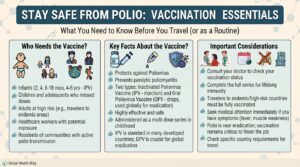
By KidsDirect Editorial Team Polio used to be one of the most feared diseases in the country. It’s the kind that filled hospital wards with kids in iron lungs. Most parents today have never seen a case, and that’s not an accident. It’s the direct result of decades of vaccination. That’s exactly why the vaccine is still part of the

Read More »
Pertussis Vaccine
Vaccines
KidsDirect Editorial Team

Pertussis

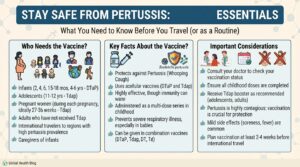
By KidsDirect Editorial Team Pertussis is a bacterial infection most parents know by its nickname, whooping cough. It gets that name from the sharp gasping sound a person makes while gasping for breath after a coughing fit. Adults and older kids usually shake it off after a rough few weeks. Babies don’t get off nearly that easy. What Is Whooping

Read More »
High School Senior Studying
High School
KidsDirect Editorial Team

The High School Senior Year: A Parent’s Guide

By KidsDirect Editorial Team Junior year was about carrying a heavier load. Senior year is about carrying it to the finish line, and then handing most of it over. There’s real relief in that, for you and your teen both. There’s also a strange kind of pressure that shows up right when everyone expects things to ease up. Applications, financial

Read More »