Is Spanking Harmful to Children?

Short answer, yes. The American Academy of Pediatrics reviewed decades of research and landed on a clear position.

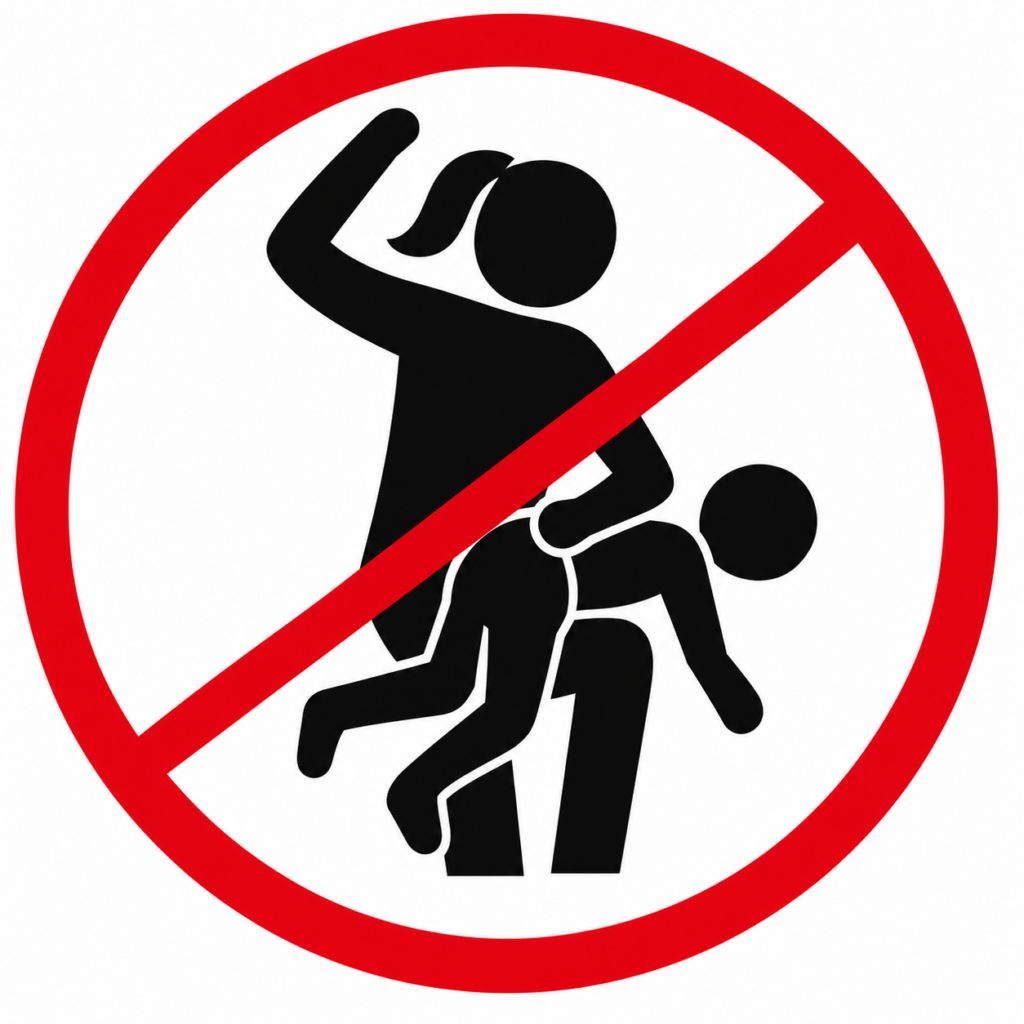
Parents and caregivers should never spank, hit, slap, or shame a child as a form of discipline. That’s not one doctor’s opinion, it’s the official policy of the largest pediatric organization in the country.

It wasn’t always this settled. Back in the 1990s and early 2000s, a well known developmental psychologist named Dr. Diana Baumrind ran one of the more thorough studies on the topic, and it complicated the picture for a while. She was responding to a real methodological problem, the fact that two things being correlated doesn’t prove one causes the other. Kids who get spanked more also tend to show more aggression later, but that alone doesn’t tell you spanking caused the aggression. It could be that harder to manage kids draw more spanking in the first place, which is closer to what Baumrind’s data actually suggested once she accounted for temperament.

Her conclusion at the time was that mild, occasional spanking, used alongside other discipline and never rising to abuse, didn’t show clear harm in her sample of middle class families. For years, that research got cited as a reason spanking might be fine in moderation.

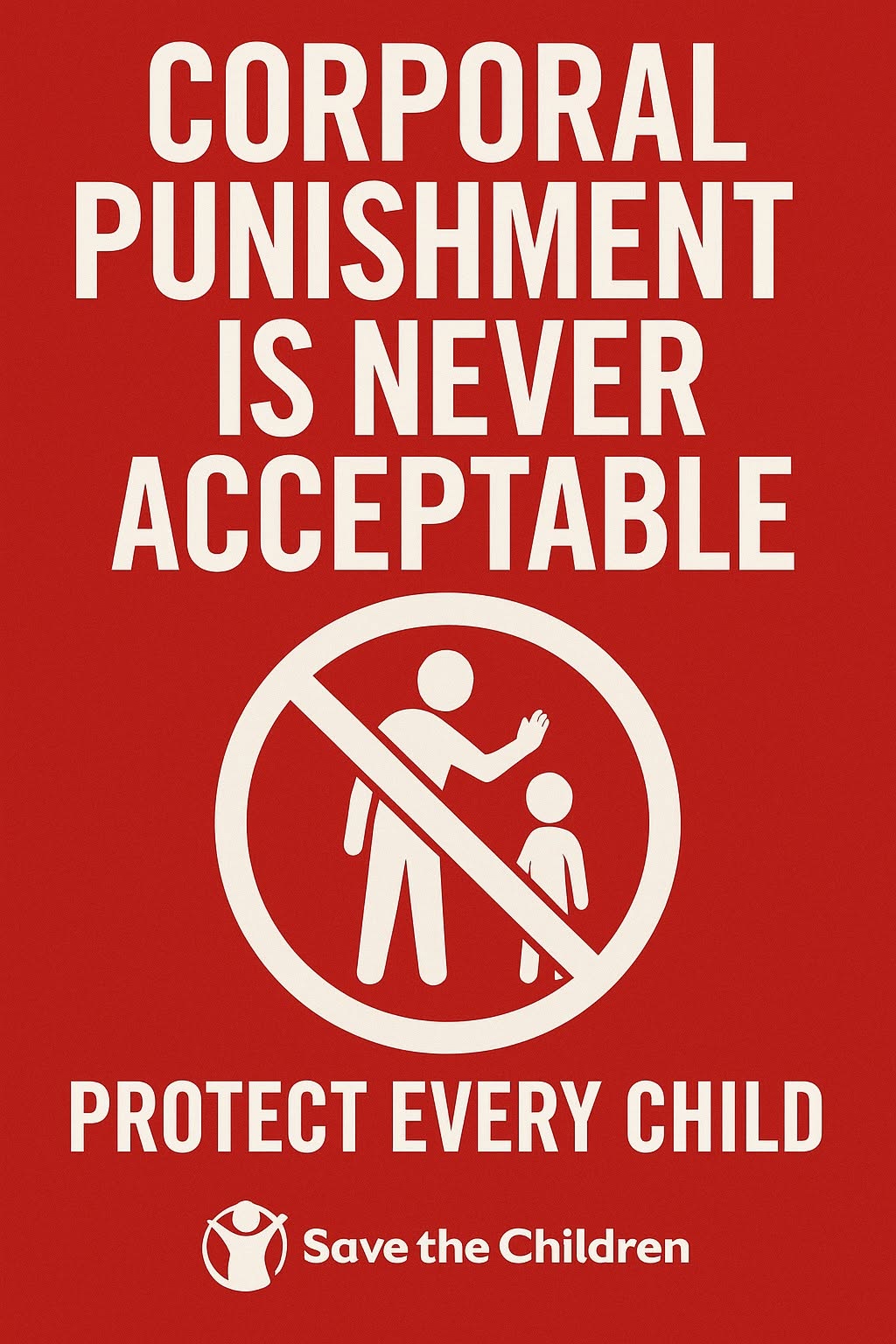
Since then, the evidence base has grown a lot, and it points the other way. Larger, longer running studies have tracked outcomes for thousands of kids, not hundreds, and the pattern holds up even after controlling for the same factors Baumrind raised. That’s what pushed the American Academy of Pediatrics to update its official policy and state plainly that parents and caregivers must never use spanking, hitting, slapping, or verbal shaming.Do not spank your children
Why Spanking Fails

  • It only stops bad behavior for a short time.
  • It teaches children that hitting is an acceptable way to solve problems.
  • It’s linked to higher rates of anxiety, depression, and long-term aggression.

Positive Alternatives

  • Positive reinforcement. Praise children when they behave well.
  • Clear limits. Set firm, fair rules ahead of time.
  • Redirection. Guide the child toward a different, acceptable activity.
  • Time-outs. Remove the child briefly from a stimulating environment to calm down.

If you want real scripts for using these in the moment, not just the theory, our article Do You Spank Your Children? walks through exactly what to say and do instead, from a parent educator who works with families on this every day.

A few more places worth reading if you want to go deeper. NPR covered the policy update well when it came out. Nemours KidsHealth has a solid overview of healthy discipline strategies. And the Cleveland Clinic lays out the clinical reasoning in plain language.

Parenting is hard, and nobody gets it perfect. If you’re working through other tough moments with your kids, you’ll find more of our parenting articles here. If you’ve spanked before, that doesn’t make you a bad parent, it just means there’s a better tool sitting right there waiting to be used instead.

Related Posts

how to build confidence in a shy child
Preschool
Kalman Heller

Parenting A Slow-to-Get-Started Child

By Dr. Kalman Heller, Child and Family Psychologist Question: Our 5 year old son, Donnie, appears to lack confidence. He resists trying new things, gives up easily if he doesn’t get something right away, and occasionally calls himself stupid. Most of the kids in his neighborhood are older, and he’s one of the younger children in his kindergarten class. In

Read More »
childrens IQ
Preschool
Kalman Heller

Stop! Don’t Try to Raise Your Child’s IQ!

By Dr. Kalman Heller, Child and Family Psychologist The media is definitely herd-like. Recently, most of the major magazines and newspapers ran articles stressing new knowledge about the importance of early experience in the development of cognitive, intellectual, and social skills. This is really an old tune with some updated lyrics. Fifty, even 75 years ago, parents were being taught

Read More »
toddler parenting tips graphs and maps
Preschool
Kalman Heller

Parenting Strategies with Toddlers

A number of recent workshops with parents of toddlers, teaching toddler parenting tips, produced this list of ideas and key points to keep in mind when you’re parenting a child whose world is expanding fast, but whose verbal skills and grasp of time, place, and consequences are still pretty limited. Use Visual Aids to Show Sequence and Time Visual aids

Read More »
Focus Keyphrase screen time for babies and toddlers
Babies
Kalman Heller

TV, Infants, and Common Sense

By Dr. Kalman Heller, Child and Family Psychologist For years now, the American Academy of Pediatrics has held that kids under 18 months shouldn’t get any screen time at all, aside from video chatting with grandparents or other family. They’ve reaffirmed that stance more than once since, most recently as part of a broader 2026 update to their media guidelines

Read More »
helping kids cope with moving
Children
Kalman Heller

Moving and Young Children

By Dr. Kalman Heller, Child and Family Psychologist Moving day. Such excitement! Such distress! It’s an event nearly every family goes through a few times, if not more. The impact on children is as varied as their personalities. But a few guidelines helping kids cope with moving might help. Why Words Aren’t Enough One 4-year-old boy, whose family had moved

Read More »

From His Bedroom to His Dorm Room

By Dr. Kalman Heller, Child and Family Psychologist The Long Drive Home Seven and a half hours in the car by yourself leaves a lot of time for reflection. It was the eighth and last return trip from dropping off a child to start a year at college. I kept thinking about the very first time. Lots of hugs, a

Read More »