KidsDirect

Tag: Children

learning disabilities in children

What Causes Learning Disabilities?

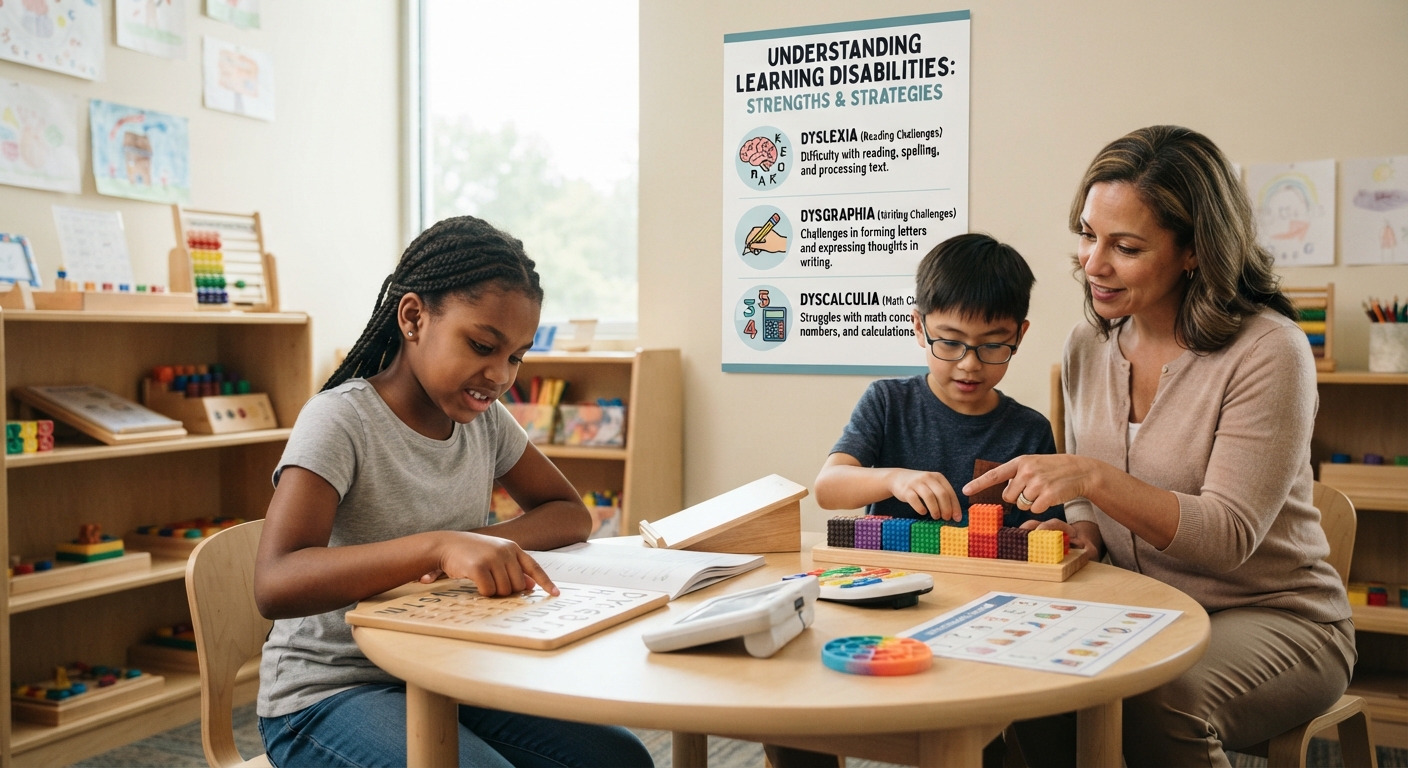
By KidsDirect Editorial Team What Causes Learning Disabilities When parents find out their child has a learning disability, the first question is almost always the same. “Why? What went wrong?” It’s a natural thing to ask. It’s also a question that doesn’t have a tidy answer, and chasing it can leave you feeling guilty about things that were never in your control. Here’s what researchers do know about where learning disabilities come from, and why the most useful thing you can do is look ahead instead of back. Why Looking Backward Doesn’t Help Much In most cases, no one can
Read More
Games for your Baby

Games for your Baby

By KidsDirect Editorial Team Baby Games The first year is packed with games that look simple but do a lot of quiet work. Every round of peekaboo, every silly song, every made up rhyme is also bonding time and brain building time rolled into one. You don’t need toys, flash cards, or a real plan. Babies are wired to connect through faces, voices, and repetition, and a lot of that wiring gets built through ordinary play like this. UNICEF has a good rundown on why play matters so much this early, if you want the deeper explanation. Here are some

Read More
Flu Shots - Pros and Cons

Flu Shots – Pros and Cons

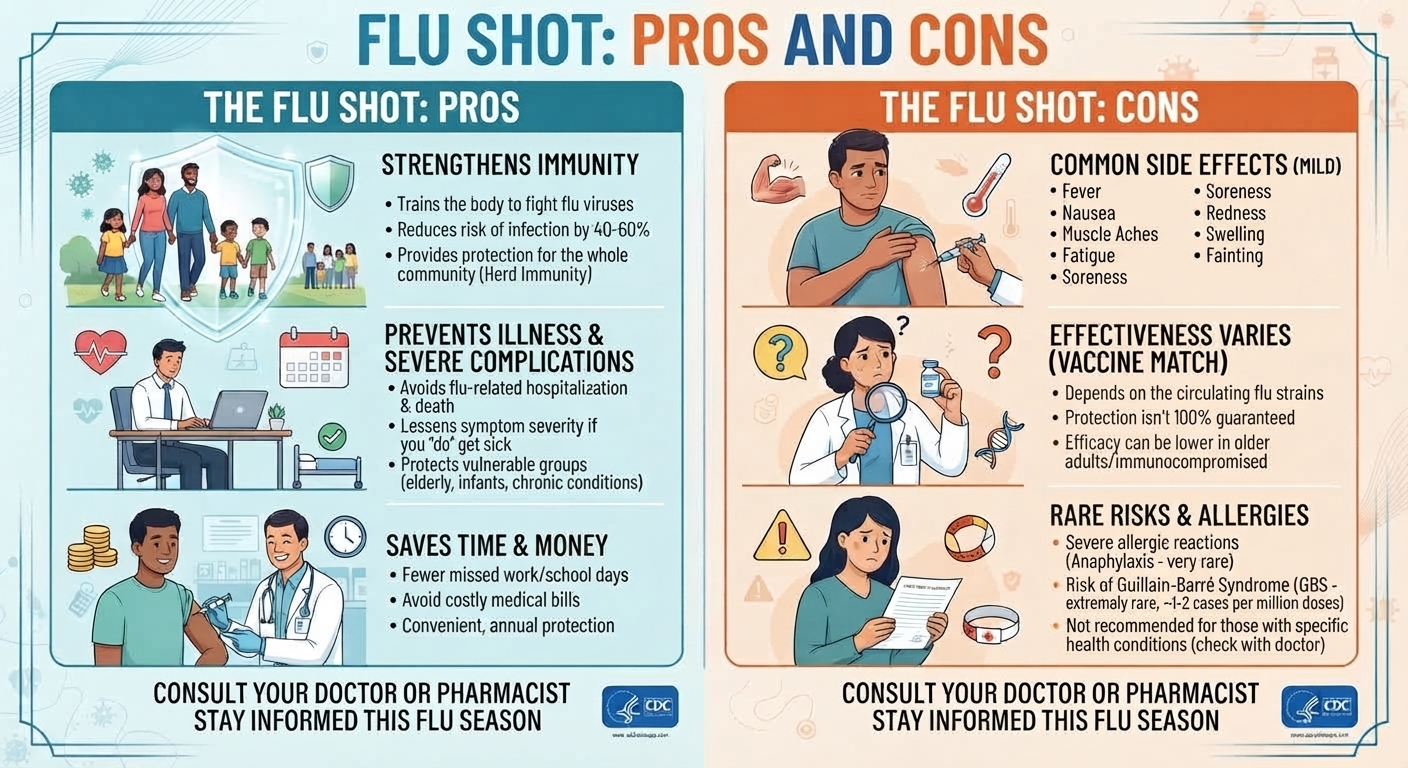
By KidsDirect Editorial Team Every fall, someone posts some version of “flu season always shows up right on schedule, almost like the virus checked a calendar first.” It’s a decent bit. It’s also not actually a mystery. Cold weather pushes everyone indoors for months. They end up breathing the same recycled air, and flu viruses happen to survive longer in cold, dry air than warm, humid air. No secret scheduling committee required, just basic virus biology and a lot of closed windows.  It does, however come with Flu Shots Pros & Cons. Flu season also drags the same batch of

Read More

Healing Broken Dreams

By Dr. Robert Naseef, Psychologist Birth of a Parent I’ll never forget the magical night my son was born. Even before his tiny body had completely emerged from the birth canal, he seemed to look all around the delivery room. Without thinking, I jumped up to stand right beside the doctor, my knees wobbling, my heart pounding. Right away I could tell that Tariq’s head was the same shape as mine. I counted his fingers and toes and watched eagerly as the nurse cleaned him and wrapped him in a blanket. He looked so cute, a perfect newborn. The nurse

Read More
You Will Dream New Dreams

You Will Dream New Dreams

By Dr. Robert Naseef, Psychologist You Will Dream New Dreams It’s been 20 years now since my son was a seemingly normal, happy toddler. It’s been eighteen years since I first heard the word “autism” used to describe my baby. It was a grief from which I thought I’d never recover, never feel good again, unless he recovered and had a typical life. It took me two years before I could get the word “autism” out of my mouth. Like the other 62 writers in You Will Dream New Dreams: Inspiring Personal Stories by Parents of Children With Disabilities, my

Read More
special needs support

Families Need Help and Dignity, not Punishment

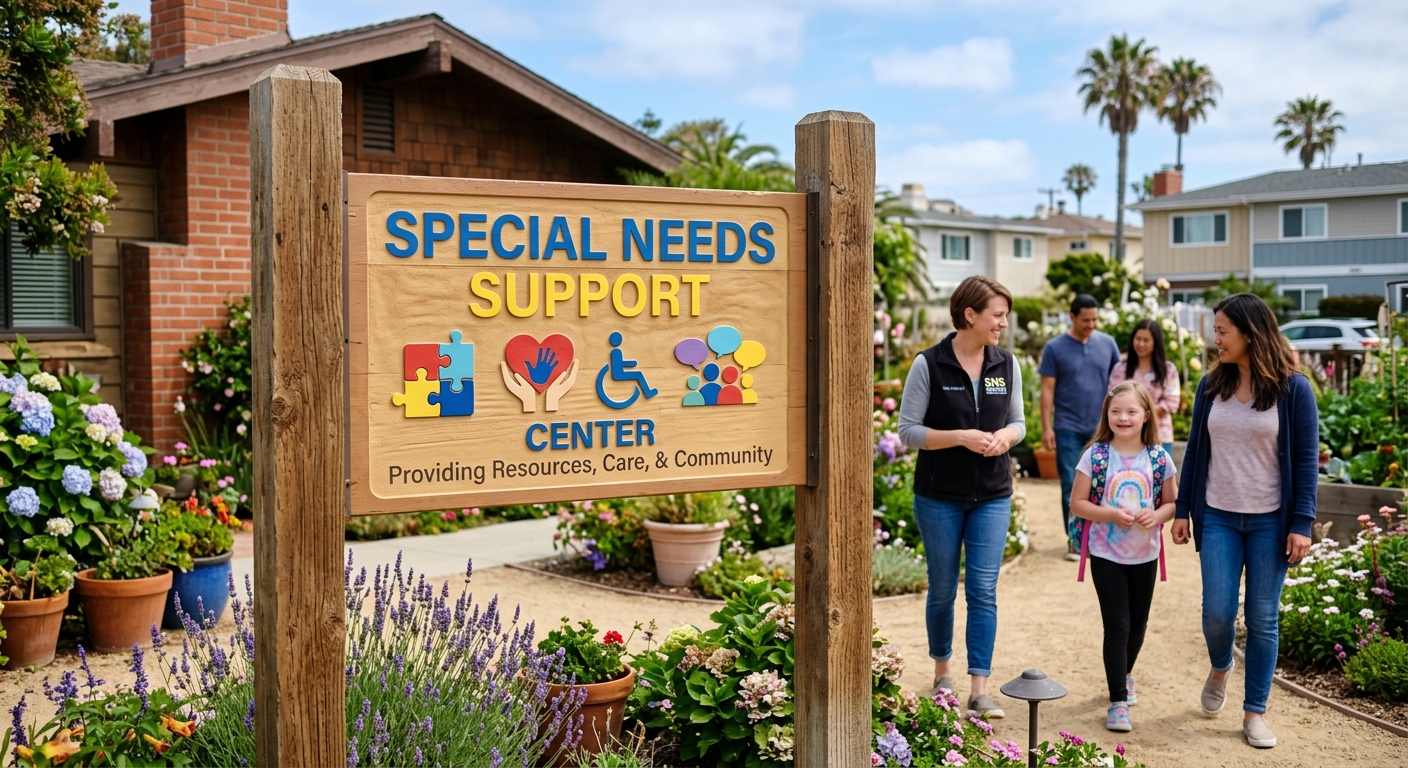
By Dr. Robert Naseef, Psychologist Families Need Help and Dignity, Not Punishment Many people find it hard to fathom what could drive a couple like Dawn and Richard Kelso of Chester County to leave their fragile child, Steven, at a hospital the day after Christmas in 1999. I, for one, do not. The image of the boy in a wheelchair who needed a respirator to breathe jolted me as I read about it while visiting relatives in Florida. This is written for parents of children with special needs support.  By all accounts, the Kelsos had loved their child dearly. They’d

Read More
happy fathers day

Reflections on Fathers’ Day

By Dr. Robert Naseef, Psychologist Reflections on Fathers’ Day This is my first Fathers’ Day since my father died. In many ways life is not the same. One thing I don’t miss is shopping for a card. It wasn’t like the 1950s sitcom “Father Knows Best” around our house. I remember my dad working a lot, and when he was home he was often grumpy and irritable, preaching to us that we had a better childhood than he did. So cards about having the perfect father never rang true or genuine. Occasionally I could find one I felt good about.

Read More
Attachment Parenting

Four Ways Attachment Parenting Can Reduce the Risk of S.I.D.S.

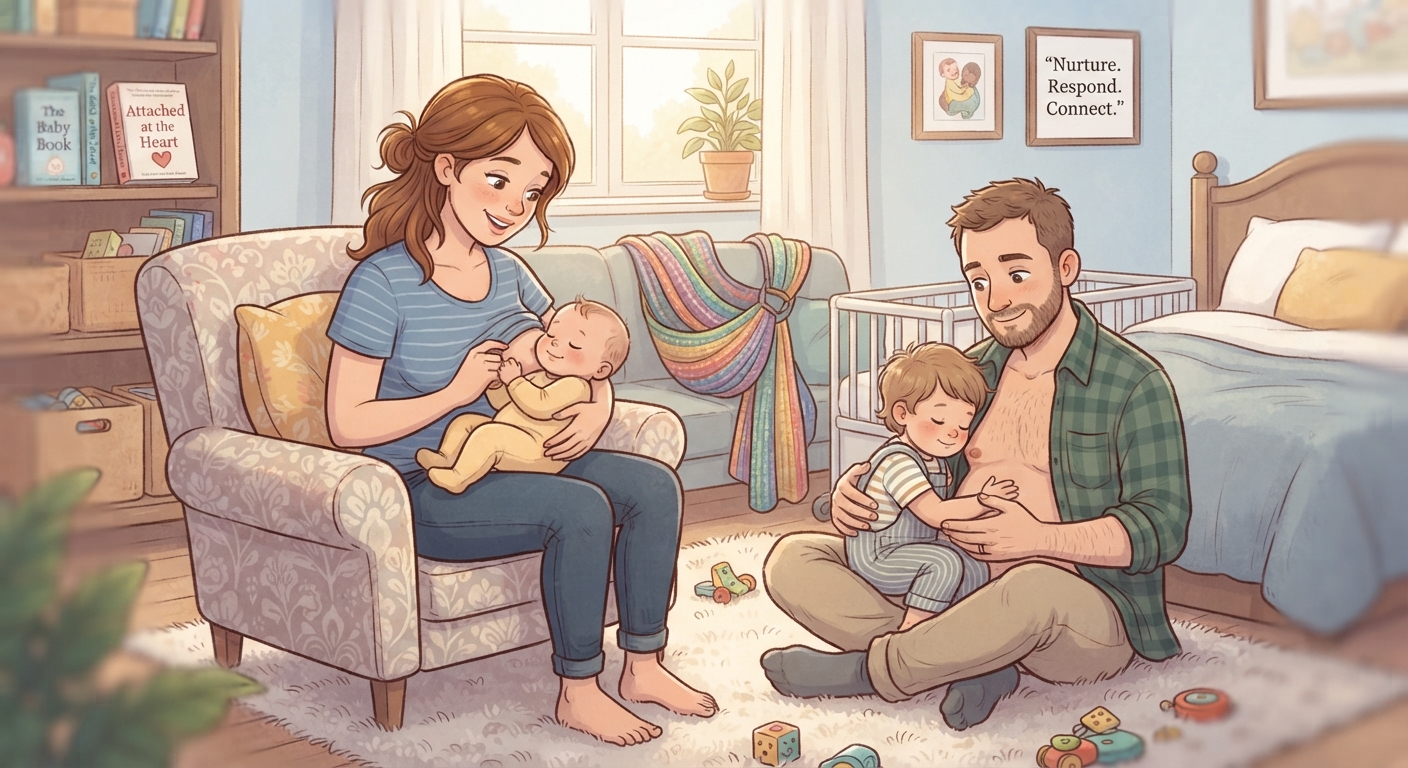
Why closeness matters in the early months Attachment parenting has been around for decades, and it’s stuck around for good reason. When you respond quickly to your baby’s cries, hold them often, and keep them physically close, you’re building the kind of trust that shapes how they handle stress and relationships for years down the road. Parents who practice this style often notice their babies seem calmer and more securely attached, and there’s real research backing up that feeling, not just parental instinct. The case for sleeping close to your baby Breastfeeding at night comes a lot easier when your

Read More
homework tips

Ten Homework Tips

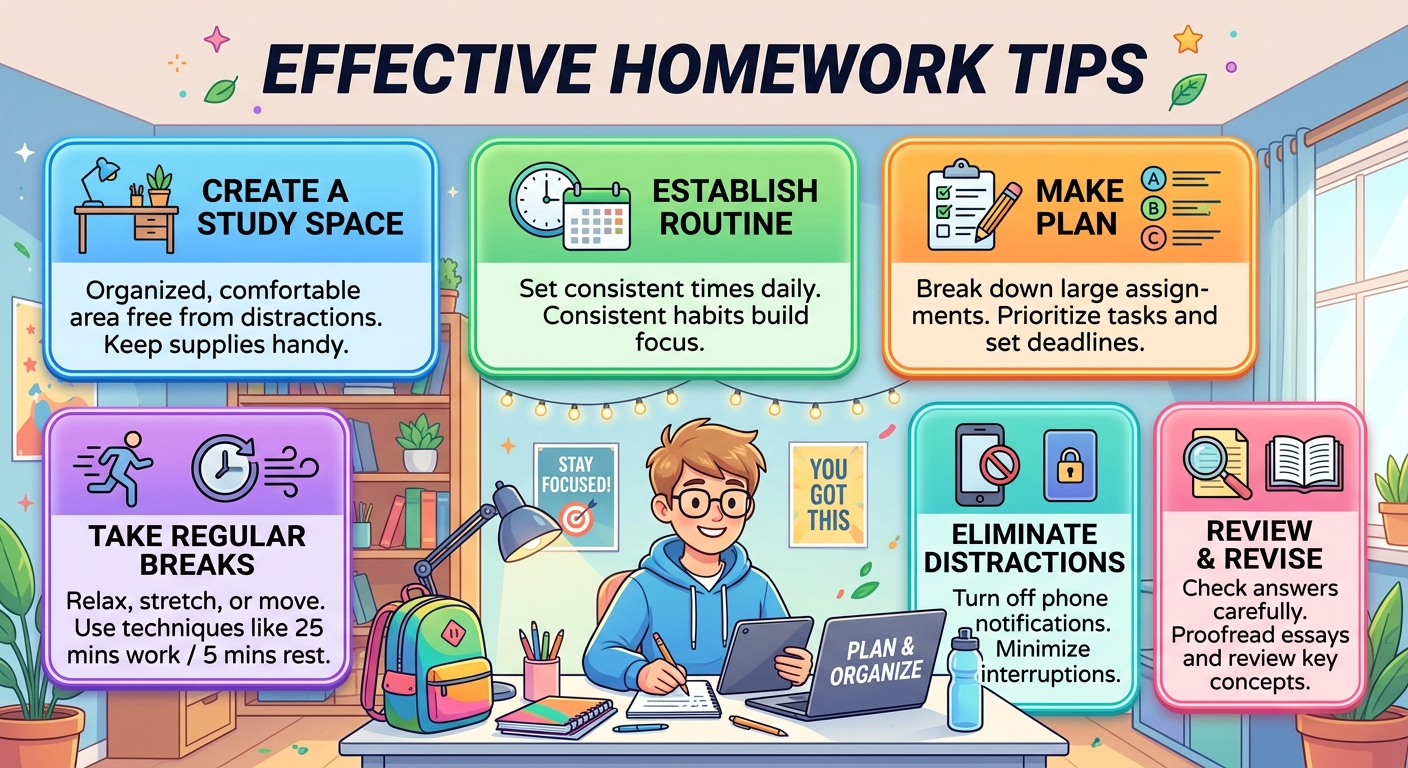
Research shows that kids do better in school when parents get involved in their homework, and it’s good for their confidence too. One thing worth checking first is whether the homework actually matches where your child is at. If your child is reading or doing math below grade level, the assignments should reflect that rather than just the grade they’re in. Ten tips for homework success Stay in touch with the teacher, so you know how much homework is coming and how your child’s actually doing with it. Set a regular start and end time. Most kids need a little

Read More
privacy

Do Children have a Right to Privacy?

By Dr. Kalman Heller, Child and Family Psychologist The schoolbag was sitting on the kitchen counter. Not a typical occurrence. Usually it’s on the floor in the hall. Ellie wasn’t sure what prompted her, but she had a strong urge to look inside. She didn’t really suspect anything. Sure, John had his problems, inconsistent schoolwork, a bit more moodiness, but that seemed mostly like the normal impact of adolescence. “He’s really a good kid,” she thought. “I shouldn’t be doing this.” But Ellie reached in anyway. Where Privacy and Safety Collide Parents often struggle with the boundaries of a child’s

Read More
Returning to School

Questions about Parenting Teenagers

By Dr. Kalman Heller, Child and Family Psychologist When “I Want to Get Into a Top College” Doesn’t Match the Effort Q: Our 16 year old daughter says she wants to get into a top college, but she doesn’t take her homework seriously, complains that it’s boring, and ends up with lower grades because of missing or low-quality assignments. We have nightly conflicts about this and feel genuinely confused, since what she’s doing directly contradicts what she says she wants for herself. We’re also frustrated because she’s clearly bright, does very well on classroom tests, and could easily be earning

Read More
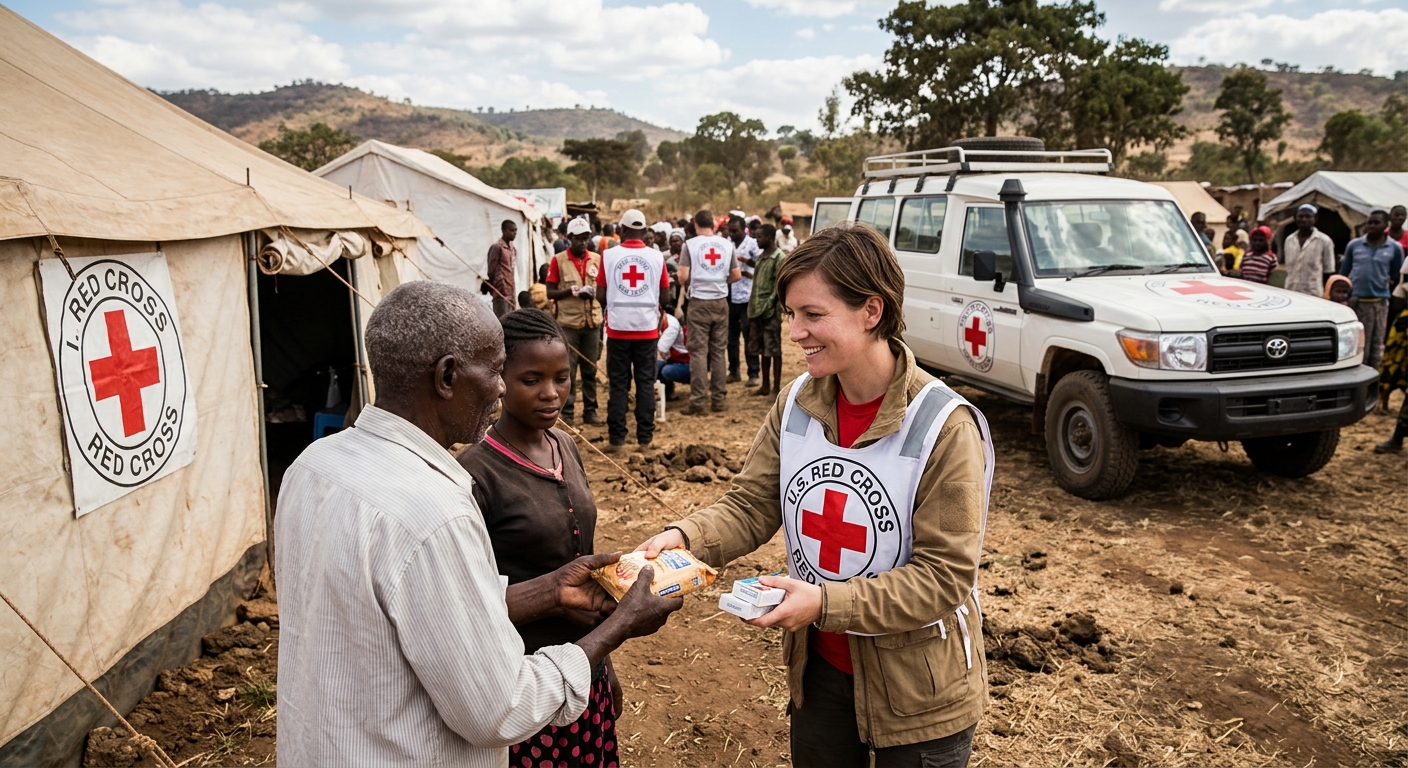
red cross help

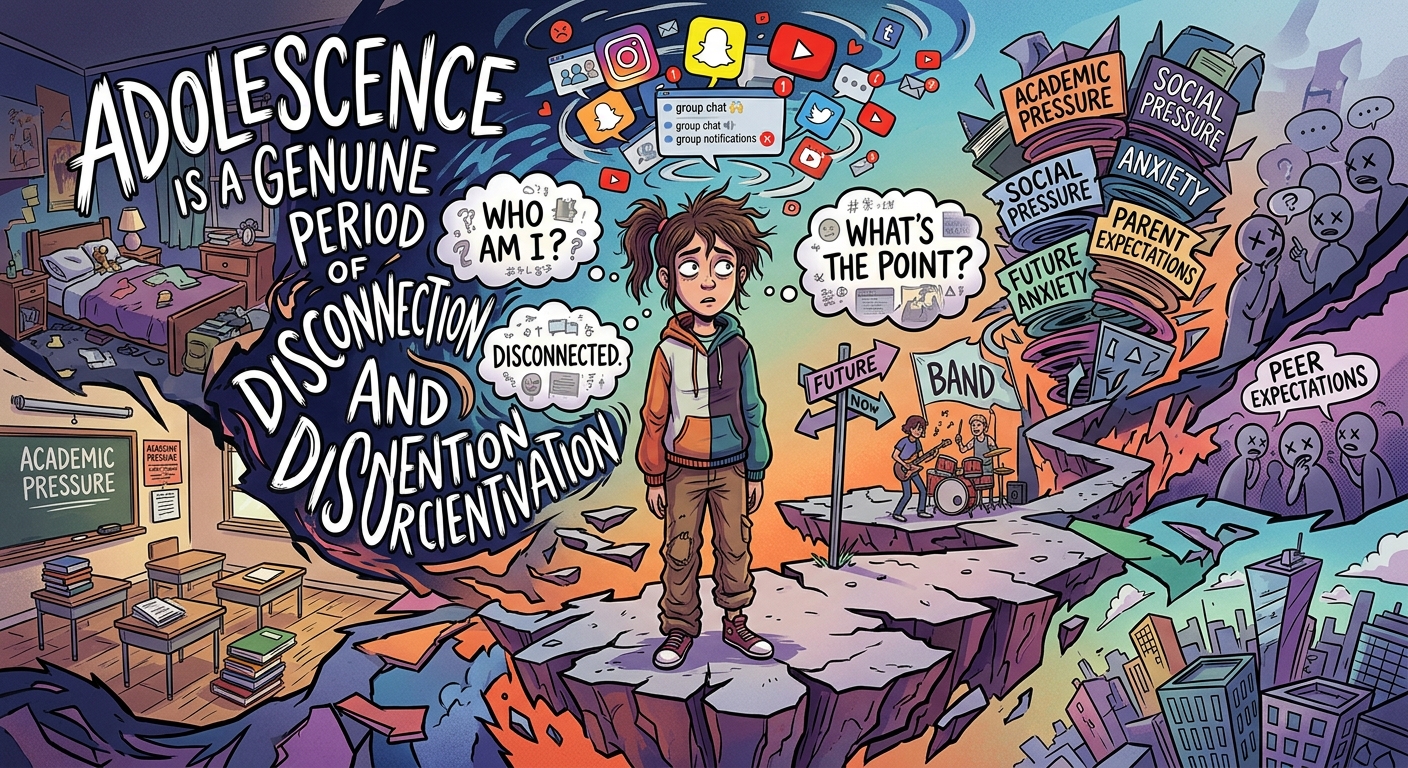
The Afternoons of Quiet Young Teens

By Dr. Kalman Heller, Child and Family Psychologist If Parenting Young Teens Is Hard, Imagine Being One We all know how challenging it is to parent a 13 to 15 year old. That alone should tell us it’s equally challenging to actually be one. Jonathan is starting high school. He’s not especially athletic and not an above-average student. He has a couple of friends, but mostly they just hang out, listening to music his parents can’t relate to and playing video games. Jon doesn’t say much about his day. It’s understandable to assume that’s because his life feels rather empty.

Read More

Adolescent Tragedies and my Teenager

By Dr. Kalman Heller, Child and Family Psychologist A Tragedy That Leaves Us Searching for Answers Once again, I’m writing in the wake of a terrible tragedy. Fifteen dead children. Fifteen lives ended prematurely and violently. An entire community that won’t recover for generations. An entire nation searching for answers that don’t fully exist. Acts of violence have always been part of human nature, and that won’t change unless we become some kind of science fiction world of engineered chemistry and genetics. Experts will point to the usual list of contributing factors, alienation, access to guns, too much exposure to violence,

Read More
does it matter which college you attend

It’s not the College, it’s the Person

By Dr. Kalman Heller, Child and Family Psychologist The College Obsession Starts in the Crib We’ve become a nation obsessed with the idea that a college education isn’t just a must for everyone, practically an inalienable right, but that a truly successful life requires attending the very best college possible. This is a myth, and yes, it really is one. It creates unreasonable stress on high school students and their families, and it trickles all the way down to preschools, even to the crib.  The age old question is does it matter which college you attend? Parents have been sold unproven

Read More
student-centered learning vs traditional education

Education Designed for Children

By Dr. Kalman Heller, Child and Family Psychologist Time for a Better Vision In my last article, I made the case that homework fails to prove its value as a way to improve learning or build character. That’s especially true at the elementary level, where there’s really no solid basis for assigning it at all. The research gets more mixed as kids get older, but even at the high school level, the evidence for homework’s value is genuinely shaky. Just as important, there’s growing evidence that homework can actually cause harm. It creates chronic stress for kids and families, and

Read More
childrens IQ

Stop! Don’t Try to Raise Your Child’s IQ!

By Dr. Kalman Heller, Child and Family Psychologist The media is definitely herd-like. Recently, most of the major magazines and newspapers ran articles stressing new knowledge about the importance of early experience in the development of cognitive, intellectual, and social skills. This is really an old tune with some updated lyrics. Fifty, even 75 years ago, parents were being taught that a child’s personality was primarily formed by age five. Along the way we learned that infants are far more developed at birth than we’d once thought, and capable of considerable, if rudimentary, learning in the first days and weeks

Read More
toddler parenting tips graphs and maps

Parenting Strategies with Toddlers

A number of recent workshops with parents of toddlers, teaching toddler parenting tips, produced this list of ideas and key points to keep in mind when you’re parenting a child whose world is expanding fast, but whose verbal skills and grasp of time, place, and consequences are still pretty limited. Use Visual Aids to Show Sequence and Time Visual aids are a huge help in building a sense of sequence and time around the routines that start and end the day. Charts with drawings or pictures paired with clock faces let a child grasp the specific steps needed to get

Read More
Focus Keyphrase screen time for babies and toddlers

TV, Infants, and Common Sense

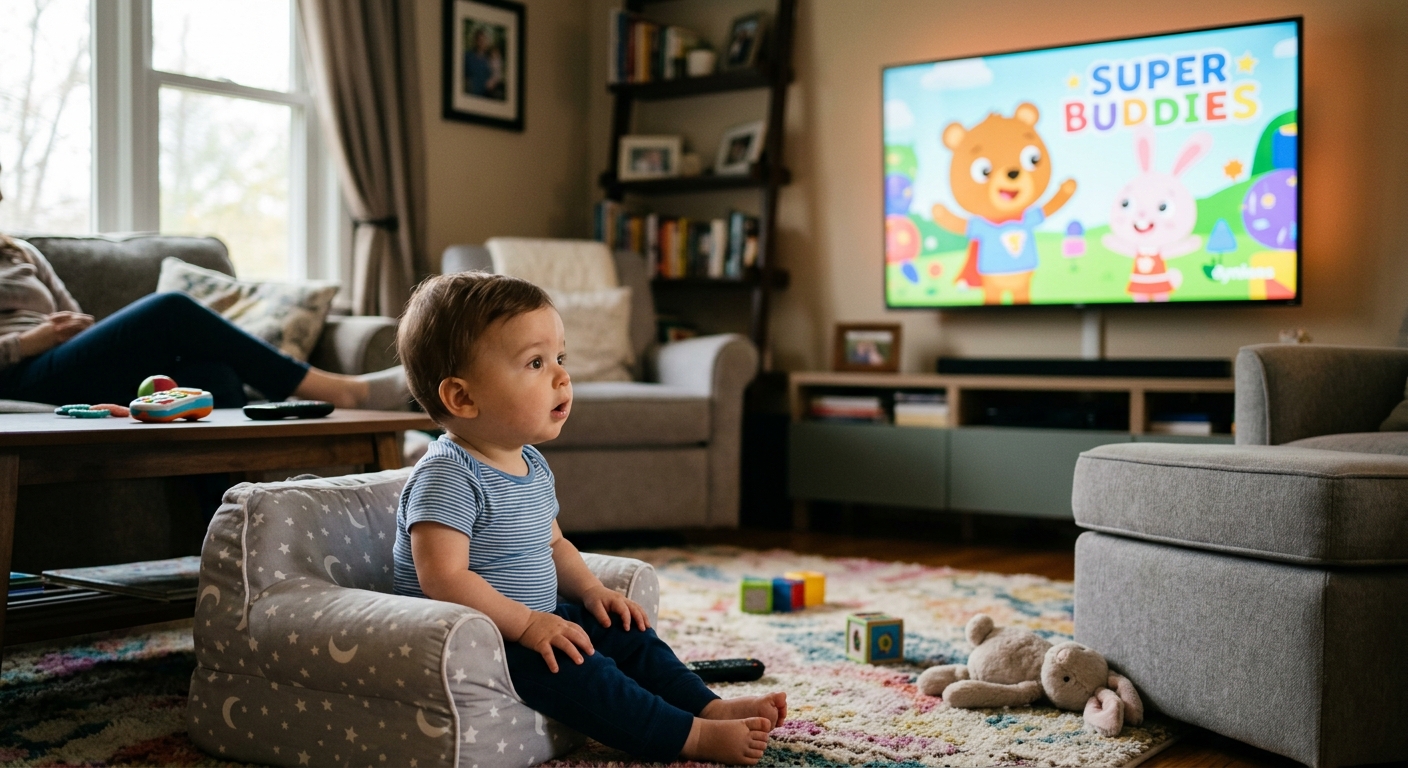
By Dr. Kalman Heller, Child and Family Psychologist For years now, the American Academy of Pediatrics has held that kids under 18 months shouldn’t get any screen time at all, aside from video chatting with grandparents or other family. They’ve reaffirmed that stance more than once since, most recently as part of a broader 2026 update to their media guidelines that moved away from rigid time limits for older kids in favor of families building their own media plan. But the reasoning behind the under-2 guidance hasn’t changed: those early months are a critical window for brain development, one that

Read More
helping kids cope with moving

Moving and Young Children

By Dr. Kalman Heller, Child and Family Psychologist Moving day. Such excitement! Such distress! It’s an event nearly every family goes through a few times, if not more. The impact on children is as varied as their personalities. But a few guidelines helping kids cope with moving might help. Why Words Aren’t Enough One 4-year-old boy, whose family had moved to a new state at the start of summer, seemed to adjust surprisingly well. He had a great summer. His parents couldn’t believe it, since he tended to struggle with change. In September, he started at his new nursery school.

Read More

Is Spanking Harmful to Children?

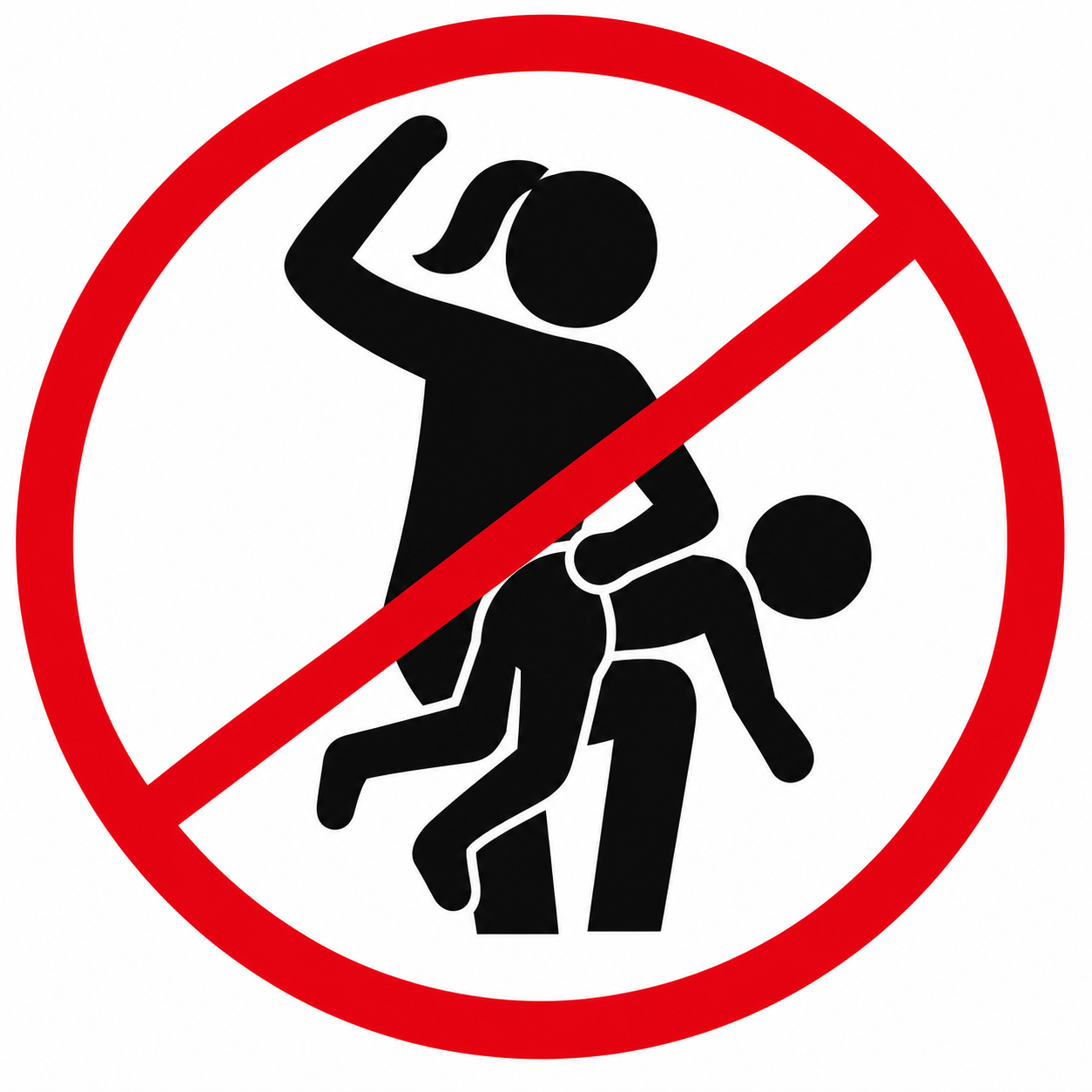
Short answer, yes. The American Academy of Pediatrics reviewed decades of research and landed on a clear position. Is Spanking Harmful to Children? Parents and caregivers should never spank, hit, slap, or shame a child as a form of discipline. That’s not one doctor’s opinion, it’s the official policy of the largest pediatric organization in the country. It wasn’t always this settled. Back in the 1990s and early 2000s, a well known developmental psychologist named Dr. Diana Baumrind ran one of the more thorough studies on the topic, and it complicated the picture for a while. She was responding to

Read More
high school sophomore year

From His Bedroom to His Dorm Room

By Dr. Kalman Heller, Child and Family Psychologist The Long Drive Home Seven and a half hours in the car by yourself leaves a lot of time for reflection. It was the eighth and last return trip from dropping off a child to start a year at college. I kept thinking about the very first time. Lots of hugs, a few tears, and an ache in my gut the whole way home. I sat on his bed and thought, “This room is finally clean.” And I felt sad about it. Really. After thousands of “Clean up your room or else”

Read More
behavior chart for kids

The Effective Use of Charts and Rewards

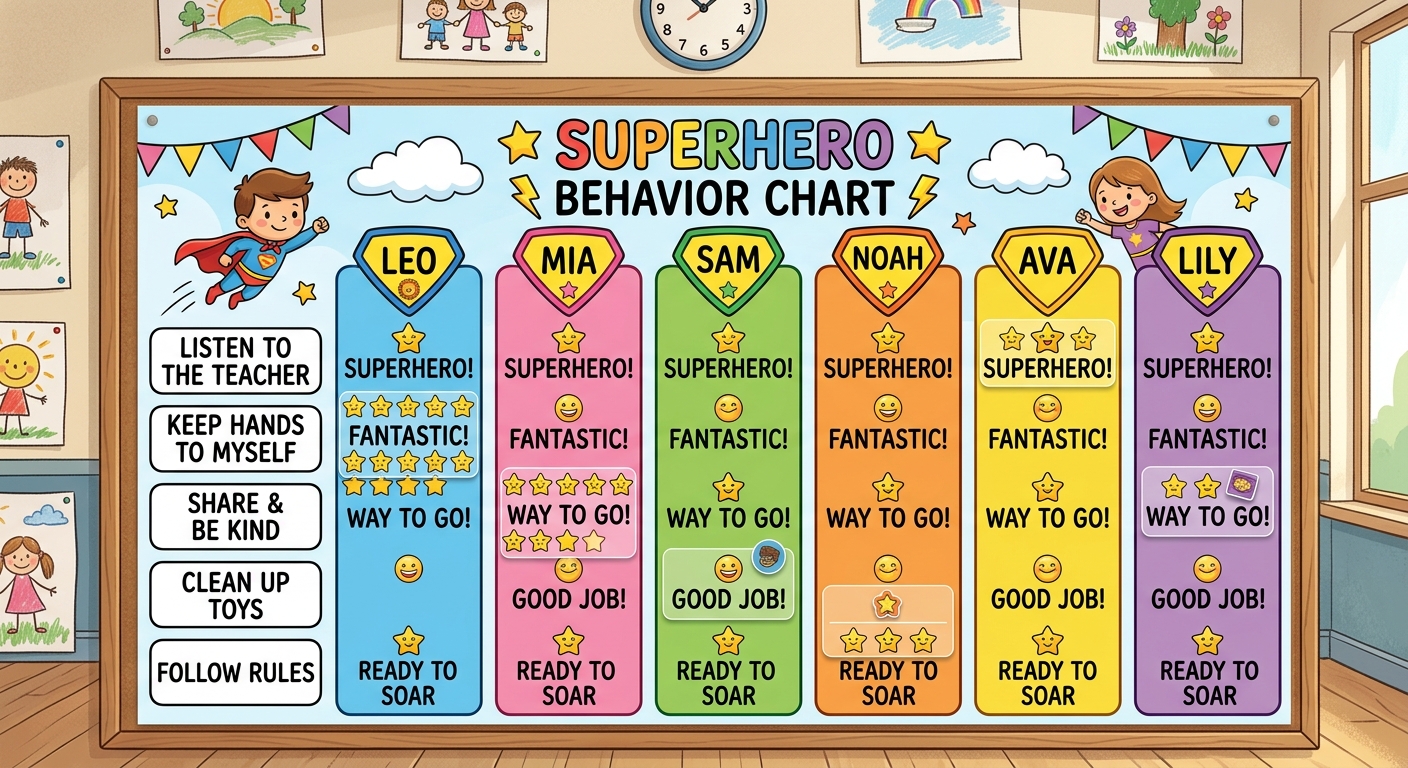
By Dr. Kalman Heller, Child and Family Psychologist Step One: Define the Target Behavior There are four main steps to building a behavior chart that actually works. First, define the “target behavior,” meaning exactly what you want to change. Talk this through with your child. It’s not a guessing game, and your child needs to be part of the process from the start. Let’s use an oppositional child who seems to say no to every request as our example, since that kind of pattern tends to create a lot of unnecessary conflict. Sit down with your child and share your

Read More
Christmas with kids

Holiday Gifts, Social Influences, and Parental Values

By Dr. Kalman Heller, Child and Family Psychologist What Doo-Wop Music Taught Me About Holiday Gifts A while back I was watching one of public TV’s pledge drives, and one of the big incentives for donating was a video of doo-wop music from the ’50s and early ’60s. Along with a lot of my favorite songs, they showed old news clips calling it “the devil’s music” and calling for it to be banned because of the harm it was supposedly doing to teenagers. I remember that as a pretty conformist time, when most of us did what we were told

Read More
parental confidence

Good Decisions, Bad Outcomes Are Okay

By Dr. Kalman Heller, Child and Family Psychologist Fall Brings a Flood of Decisions In early fall, parents get hit with a wave of decisions about activities and schedules for their kids all at once. After-school programs, school electives, sports, tutoring, part-time jobs, extended day care, it all lands on the doorstep at the same time. For a lot of parents, this is a genuinely anxious stretch. The worry is always the same. What if we make the wrong call for our child? Three Families, Three Different Dilemmas Jon is 7 and not especially coordinated. His parents think pushing him

Read More

Reducing Stress in Our Children

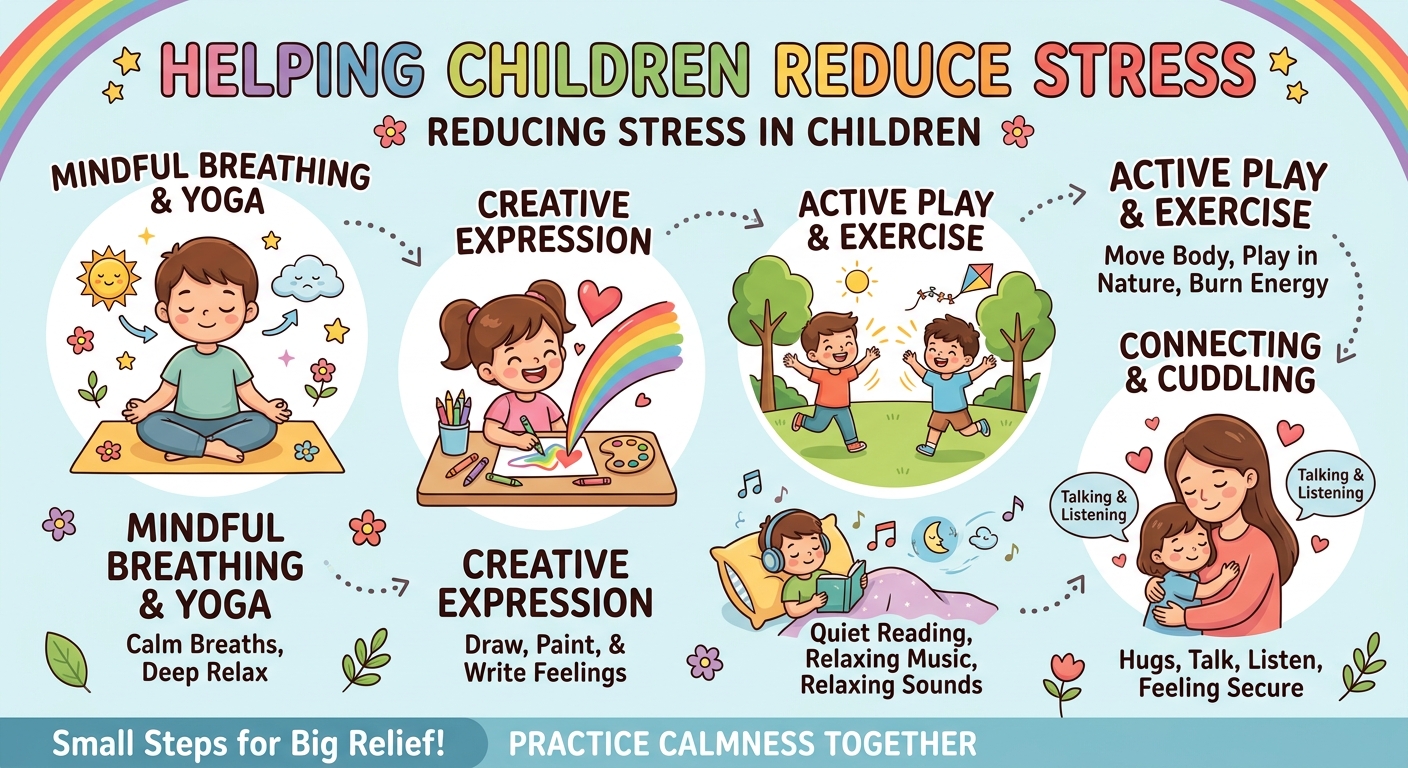
By Dr. Kalman Heller, Child and Family Psychologist Why I’m Starting With a Story About Exercise Injuries Sports medicine researchers have been tracking a real pattern for years now, a steady rise in injuries among adults in their 30s, 40s, and 50s who work out or play sports hard, often called the weekend warrior pattern. Now you may wonder why that’s the lead for an article about reducing stress in children. Follow me for a minute. Some of that rise probably just reflects more people committing to being active, which is a good thing. But there’s also a real sense

Read More