
KidsDirect

Tag: fathering

Healing Broken Dreams

By Dr. Robert Naseef, Psychologist Birth of a Parent I’ll never forget the magical night my son was born. Even before his tiny body had completely emerged from the birth canal, he seemed to look all around the delivery room. Without thinking, I jumped up to stand right beside the doctor, my knees wobbling, my heart pounding. Right away I could tell that Tariq’s head was the same shape as mine. I counted his fingers and toes and watched eagerly as the nurse cleaned him and wrapped him in a blanket. He looked so cute, a perfect newborn. The nurse

Read More
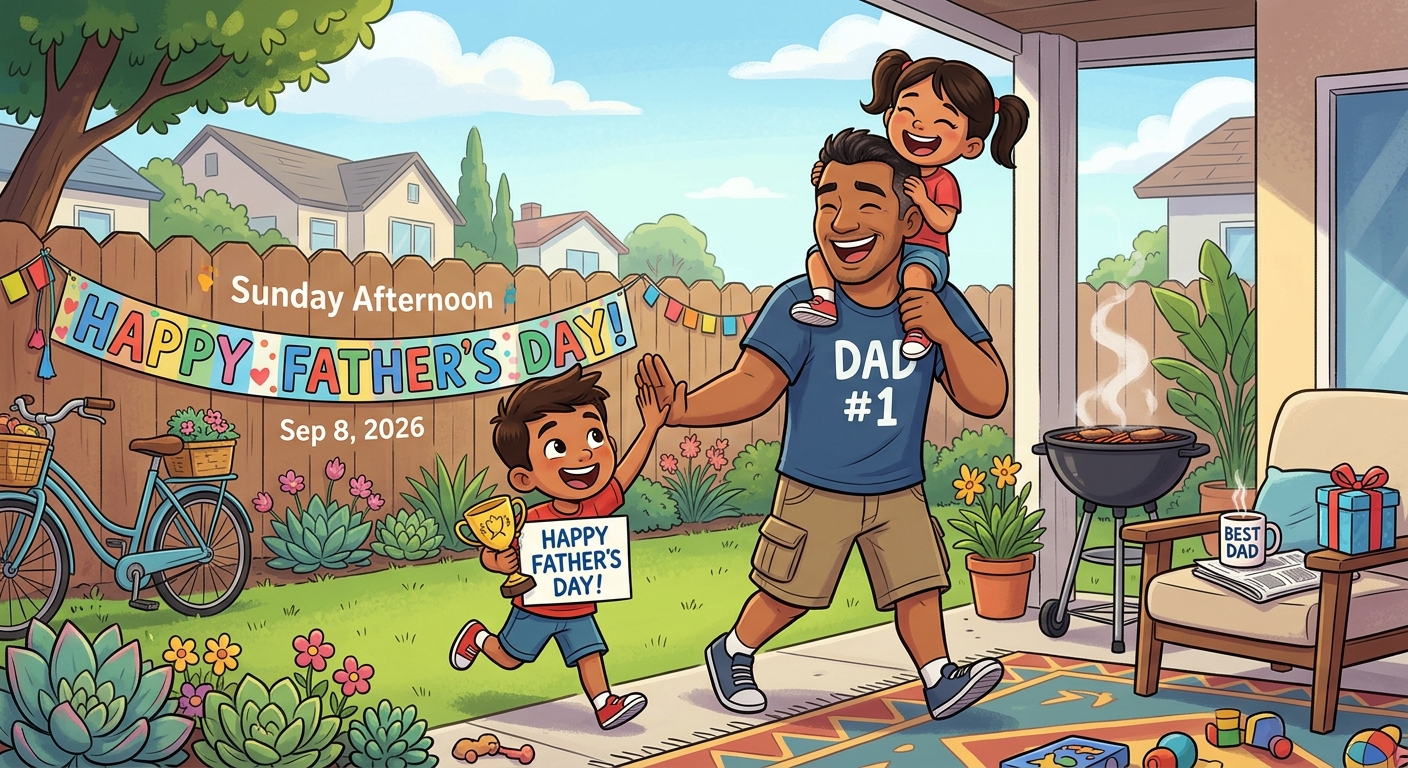
happy fathers day

Reflections on Fathers’ Day

By Dr. Robert Naseef, Psychologist Reflections on Fathers’ Day This is my first Fathers’ Day since my father died. In many ways life is not the same. One thing I don’t miss is shopping for a card. It wasn’t like the 1950s sitcom “Father Knows Best” around our house. I remember my dad working a lot, and when he was home he was often grumpy and irritable, preaching to us that we had a better childhood than he did. So cards about having the perfect father never rang true or genuine. Occasionally I could find one I felt good about.

Read More
how fathers stay connected long work hours

Fathering When You’re not Home Very Much

By Dr. Kalman Heller, Child and Family Psychologist When Career and Fatherhood Compete for Time  In today’s family life, it’s not just men putting in exceptionally long hours outside the home. But men have historically found it harder to build strong relationships with each of their family members. For a lot of husbands and fathers, being dedicated to a successful career is still the main way they express caring. But in an era of shifting marital roles, and growing recognition that relationship intimacy is a real factor in physical health, men are being encouraged to get more “connected” to their

Read More
Why Parents Lose their temper

Losing Your Temper: Why Parents Blow It and How to Recover

By Dr. Kalman Heller, Child and Family Psychologist Tracy is four. Her mother describes her as “attached to my hip.” Recently, during a morning that seemed even more hectic than usual, Barbara’s frustration level kept climbing. “It’s as if she was deliberately being worse, like she knew I had a lot to get done. She wouldn’t play by herself, she wouldn’t eat or wear whatever I put in front of her. She whined and whined unless I played with her and I just couldn’t stand it. Sure I yell at her sometimes, but never like this. I couldn’t believe how

Read More