By KidsDirect Editorial Team
Preparing for Pregnancy
Most doctors recommend giving your body a three to four month head start as you start preparing for pregnancy. That sounds like a long runway, but there’s a good reason for it. A fetus starts forming in the very first weeks of pregnancy, often before you even know you’re pregnant. Whatever shape your body is in during those early weeks, nutritionally and physically, shapes how that pregnancy goes. Getting ahead of it now gives you better odds of a smooth pregnancy and delivery later. This is everything about preparing for pregnancy.
Conceiving
Getting pregnant starts with understanding your own ovulation cycle. Once you know roughly when you ovulate each month, you can time things so you’re not guessing. Every couple is different here, so don’t panic if it doesn’t happen on the first try. Healthy, fertile couples have about a 25 percent chance of conceiving in any given cycle. The cumulative odds climb to roughly 85 percent over the course of a year. Some couples take longer than that, and that’s still well within the range of normal. If you want a clearer sense of your own fertile window, our ovulation calculator can help narrow it down. Our pregnancy FAQ covers the questions couples ask most often while trying to conceive.
Nutrition Before You Conceive
What you eat before you’re pregnant matters just as much as what you eat after. Start by taking an honest look at your current diet. If chips, soda, and candy bars outnumber fruit and vegetables, this is the moment to flip that ratio. A daily multivitamin matters too, specifically one that gets you 400 to 800 micrograms of folic acid. That’s the amount the CDC recommends for anyone who could become pregnant. Folic acid plays a real role in preventing neural tube defects. Your body needs it stocked up before conception, not after you find out you’re pregnant. For a closer look at what a full day of eating should look like, check out our pregnancy nutrition guide.
Beyond folic acid, aim for a genuinely balanced diet. That means a mix of proteins, healthy fats, carbohydrates, vitamins, and minerals rather than loading up on any one thing. The USDA’s MyPlate model is a simple way to picture this. Fill about half your plate with fruits and vegetables. Add a quarter lean protein and a quarter whole grains, then round it out with a serving of dairy. Variety is the real goal here. Eating the exact same meals every day, even healthy ones, tends to leave gaps in your nutrient intake. Our serving size chart breaks down what a realistic portion actually looks like. Most of us underestimate or overestimate without really thinking about it.
Exercise Before You Conceive
Staying active while you’re trying to conceive makes the months ahead easier on your body. You don’t need a gym membership or a brand new fitness routine to get there. A daily walk is plenty if you’re starting from scratch. It’s also one of the easiest habits to keep once pregnancy actually begins. Talk to your doctor about what intensity makes sense for you specifically, especially if you have any existing health conditions. Getting into a rhythm now is easier while you still have full flexibility in your schedule. Once your energy and time become less predictable, that routine will already feel automatic.
A Few More Things Worth Doing First
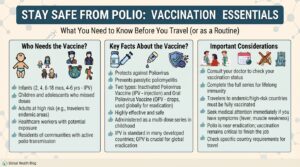
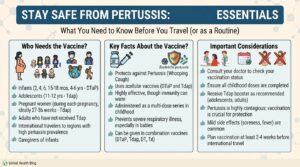
Nutrition and exercise cover a lot of ground, but a few other steps are worth adding to your list. Schedule a preconception checkup with your doctor so you can review your vaccination status. Immunity to things like rubella and varicella matters more than most people realize. Our vaccine guide walks through what’s typically recommended at different life stages. It’s also worth cutting back on alcohol and quitting smoking if that applies to you. Mention any current medications to your doctor too, since a few common ones aren’t safe once you’re pregnant. None of this needs to happen overnight. Small, steady changes over a few months add up to real results by the time you’re ready to try.
Once you’ve got the basics covered, it helps to know what’s coming next. Our guide to the pregnancy trimesters lays out what changes month by month, so you’re not walking into it blind.